Brand story
Our story
HANBIT KOREA in five scenes
From a family tradition to a written record
Heirlooms
Cosmetic tools used by an ancestor
01Heritage
A story that began with our ancestors
Cosmetic tools once used by an ancestor are still kept in the family as heirlooms. Our founder learned about herbs from a grandfather who taught at a village school in Inje, Gangwon.
02Nature
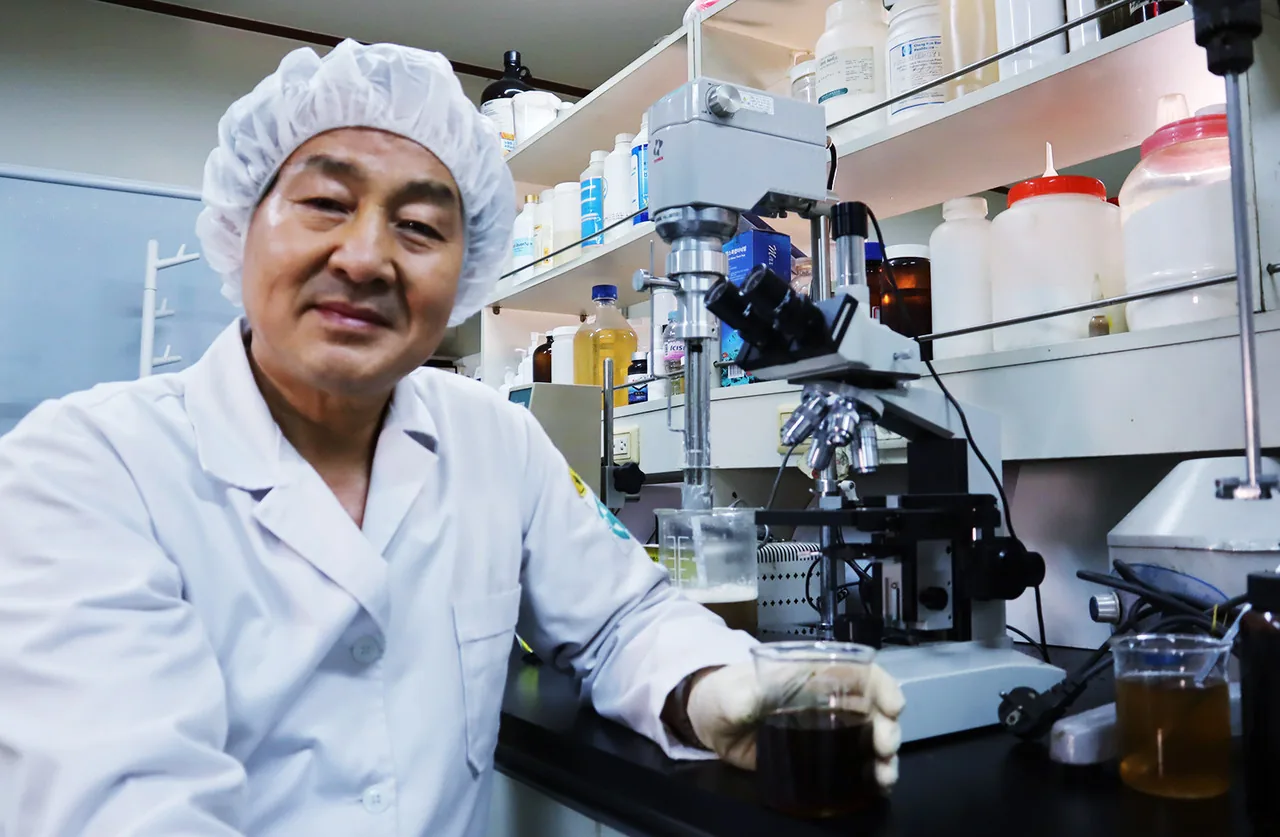
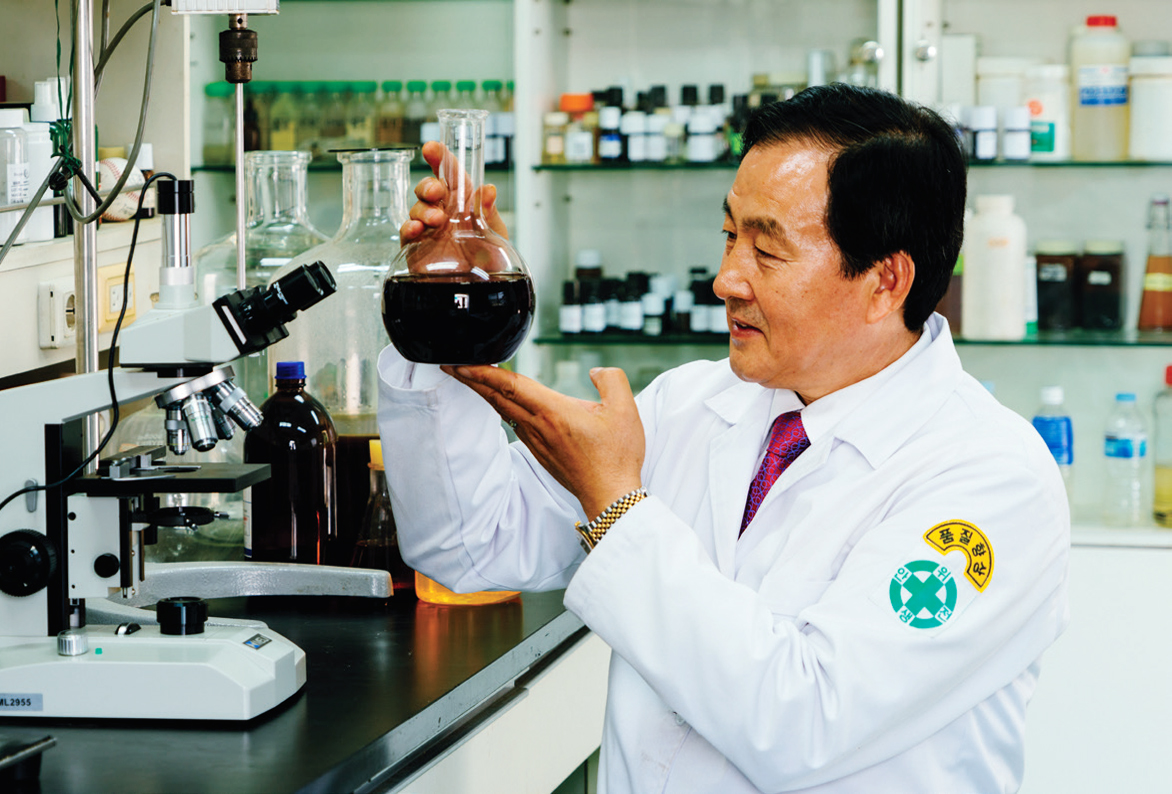
We look to nature for our ingredients
We study Korean herbal ingredients one by one and refine each formula in the lab. Over 40 years we have made more than 400 formulas.
03Care
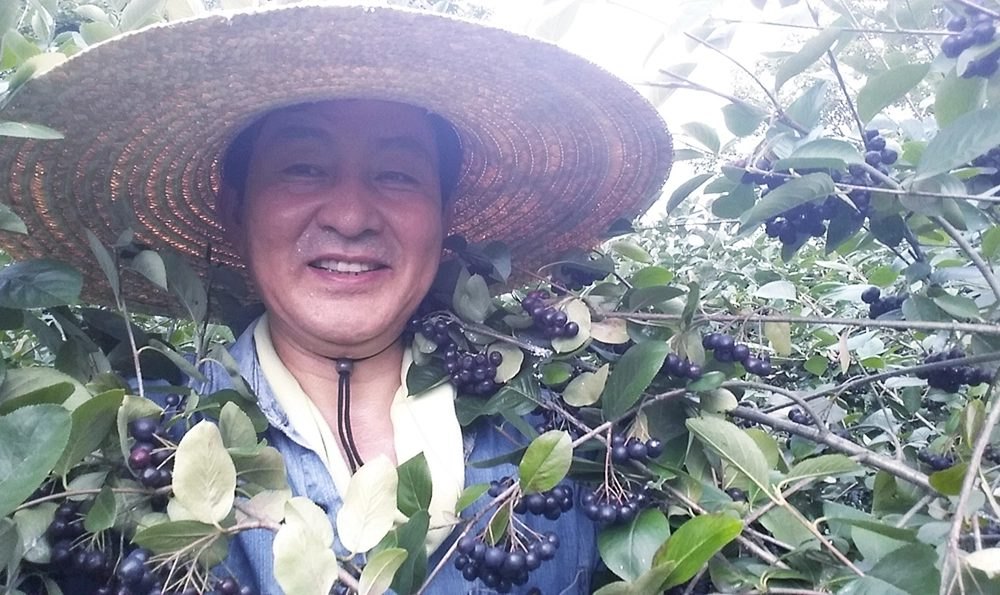
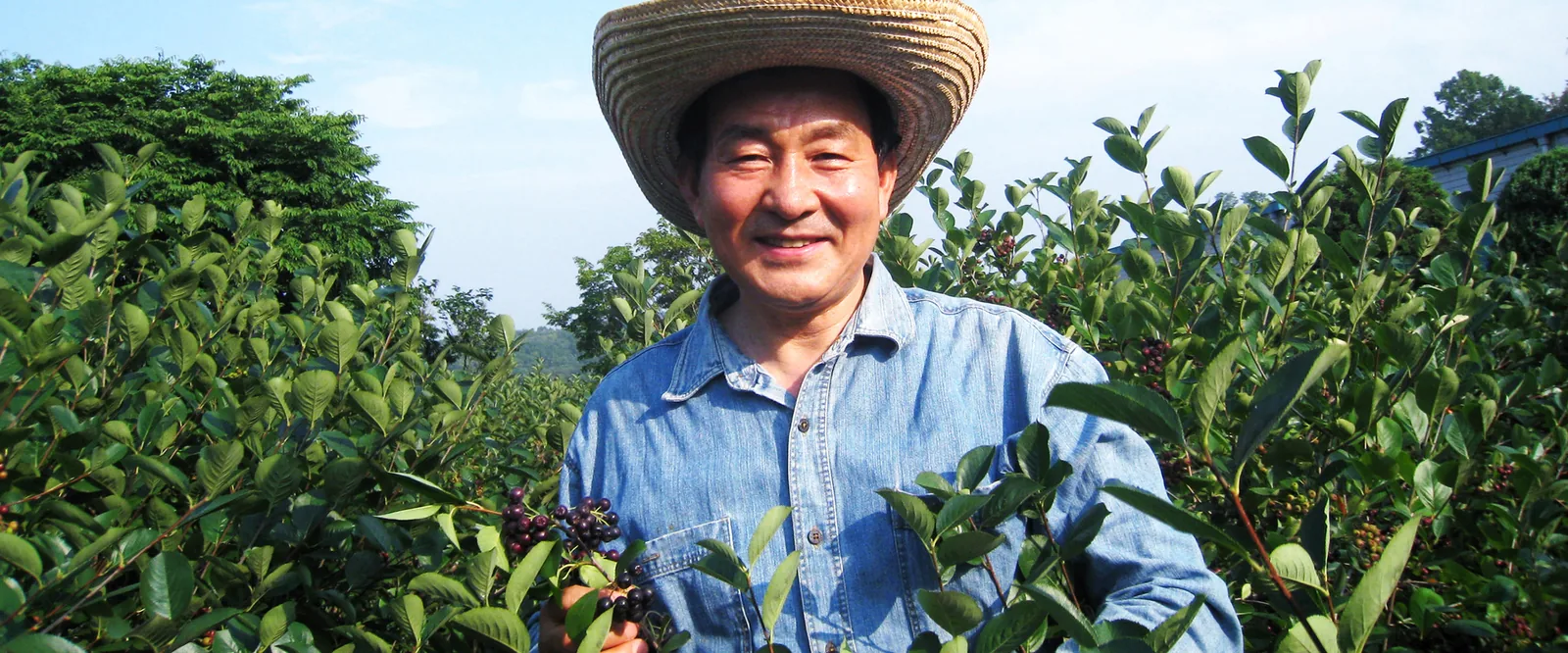
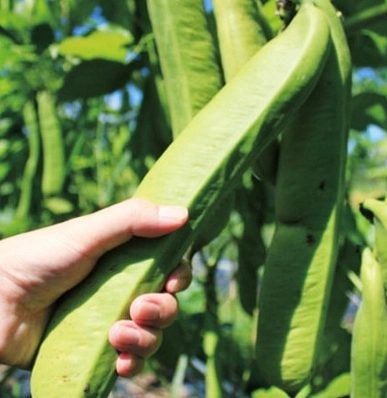
We grow our own ingredients
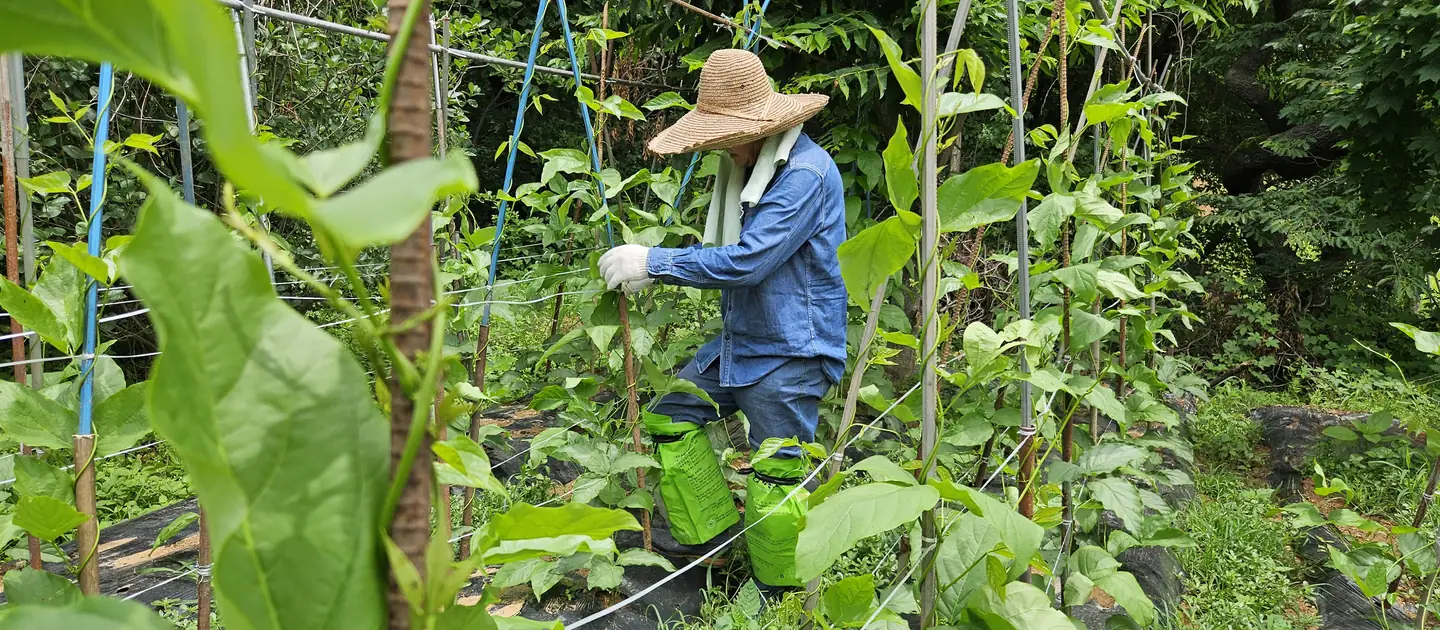
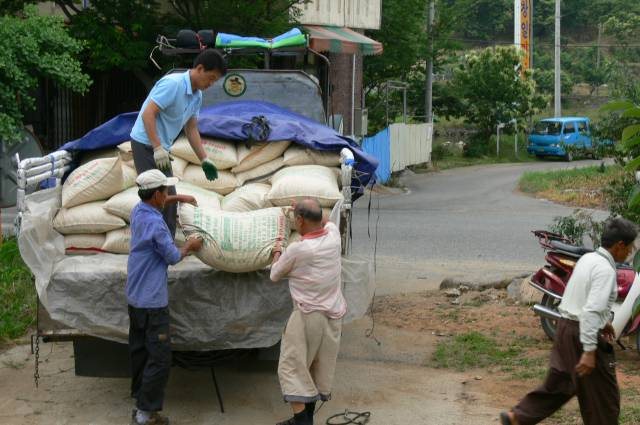
Since 2001 we have grown our ingredients through contract farming, harvesting them from more than 66,000㎡ of fields.
04Time
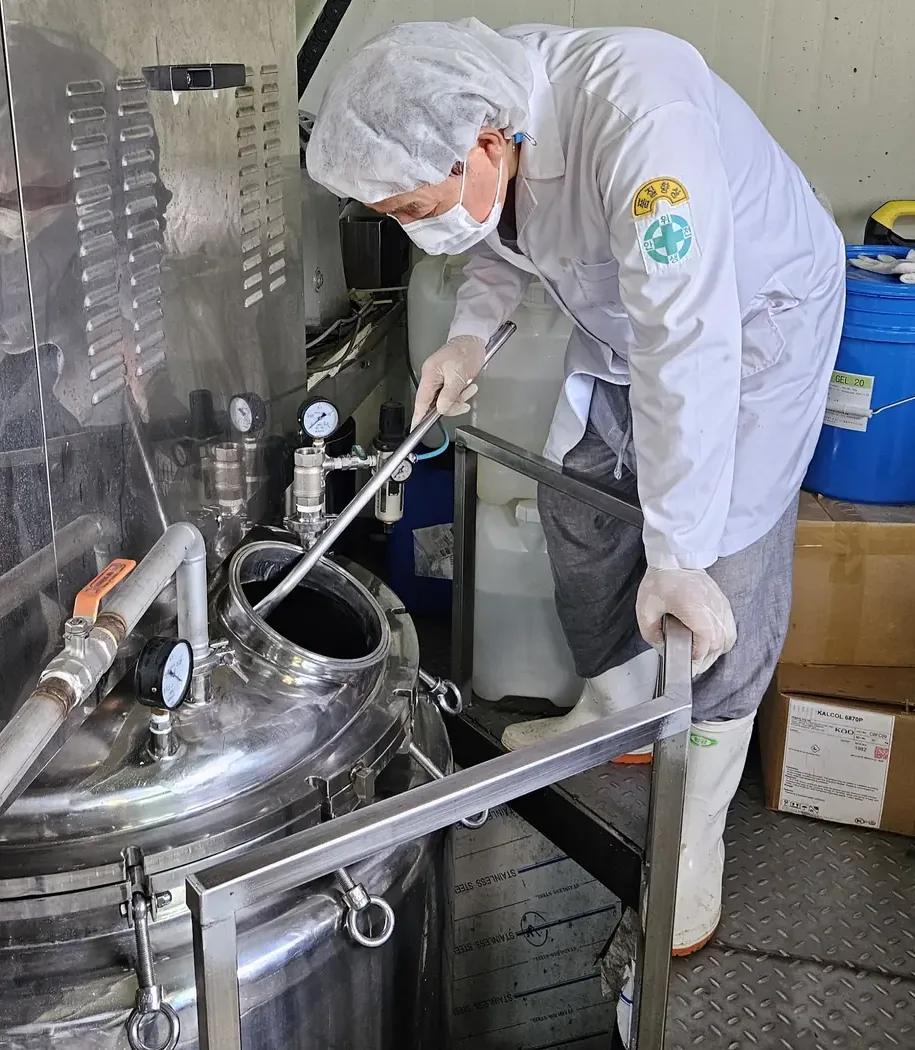
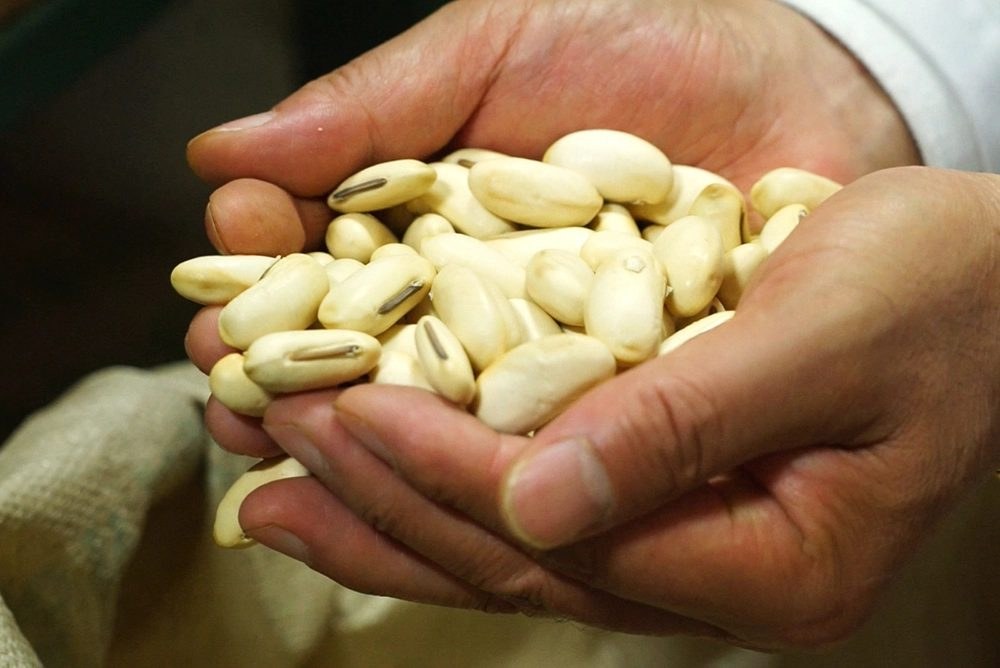
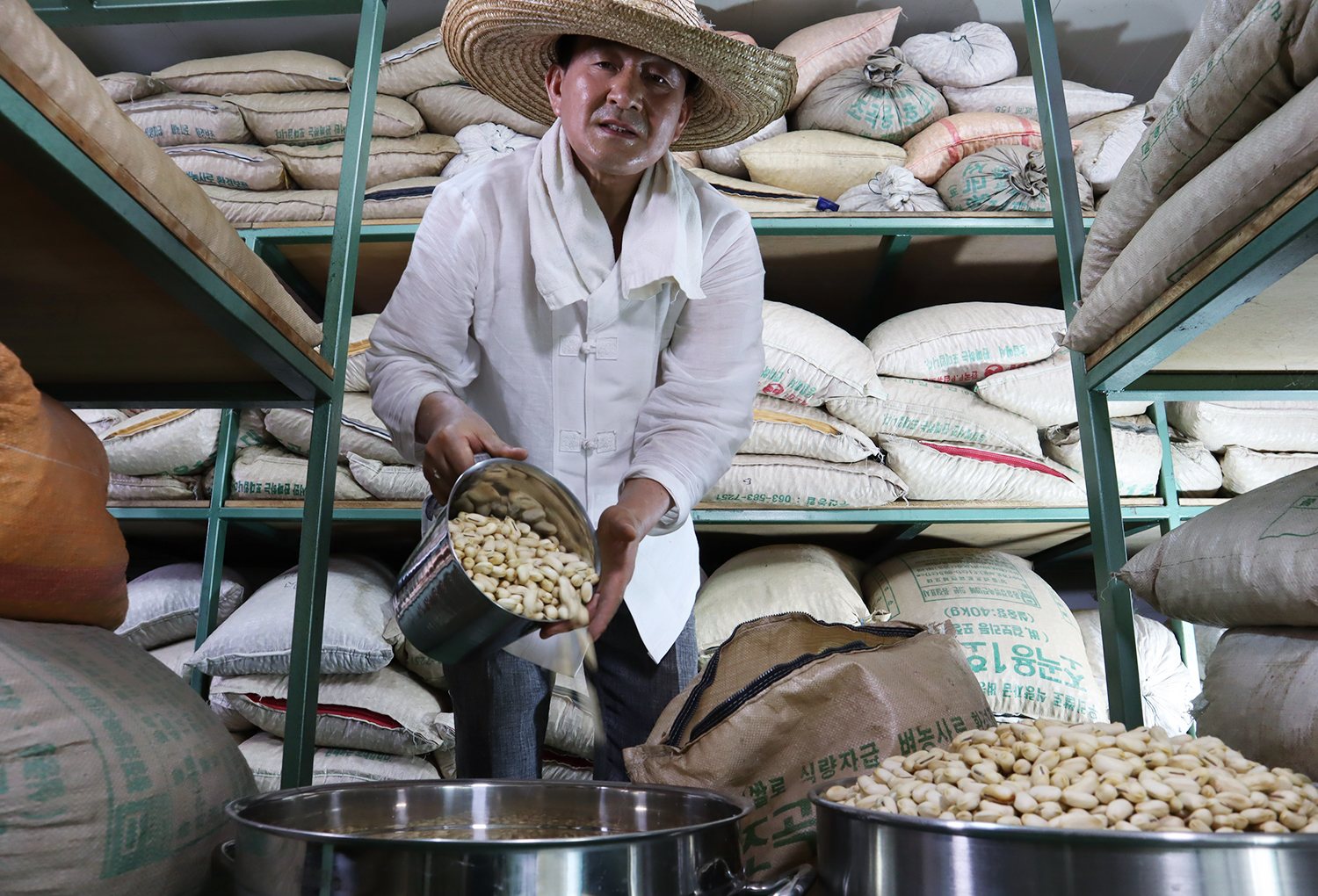
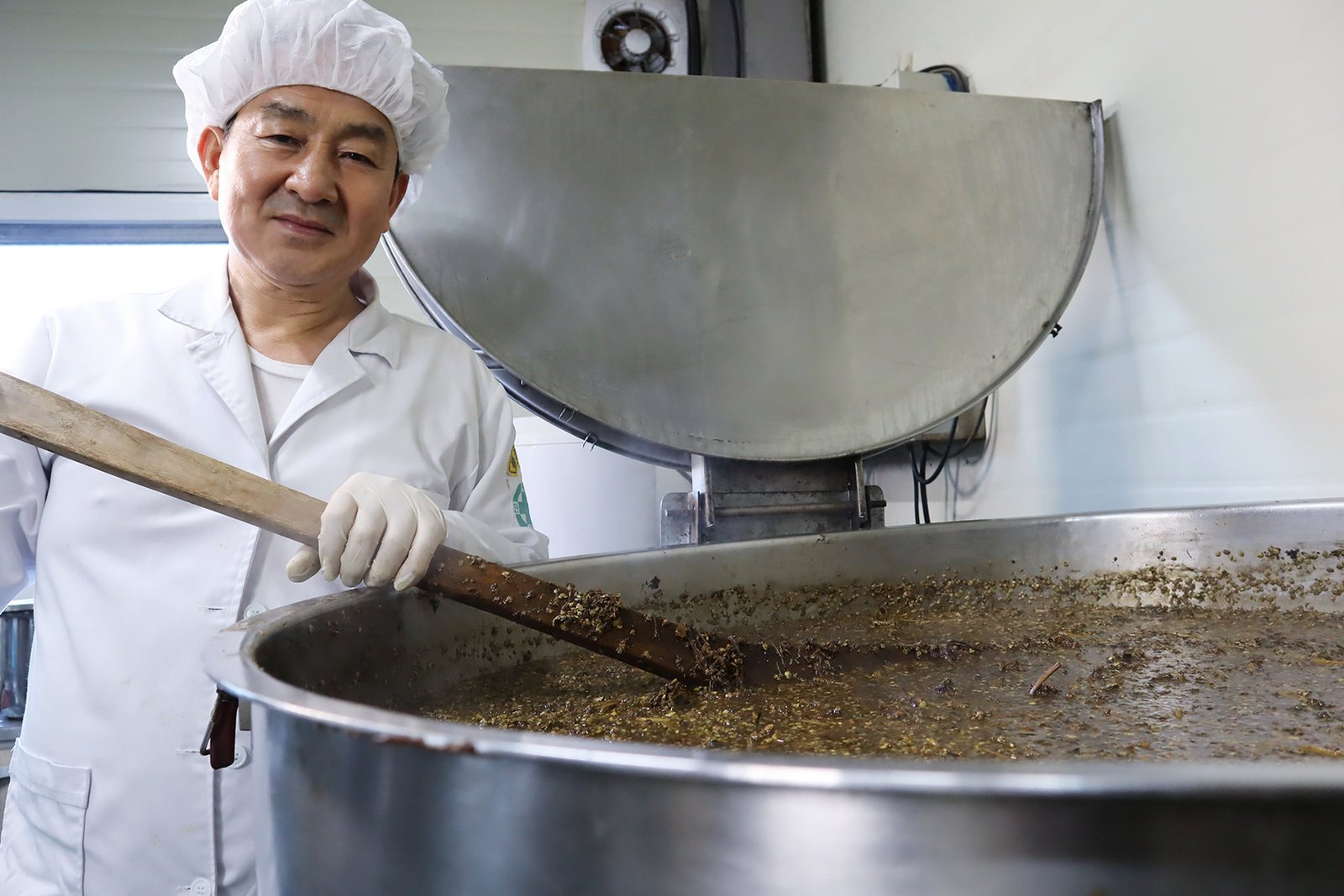
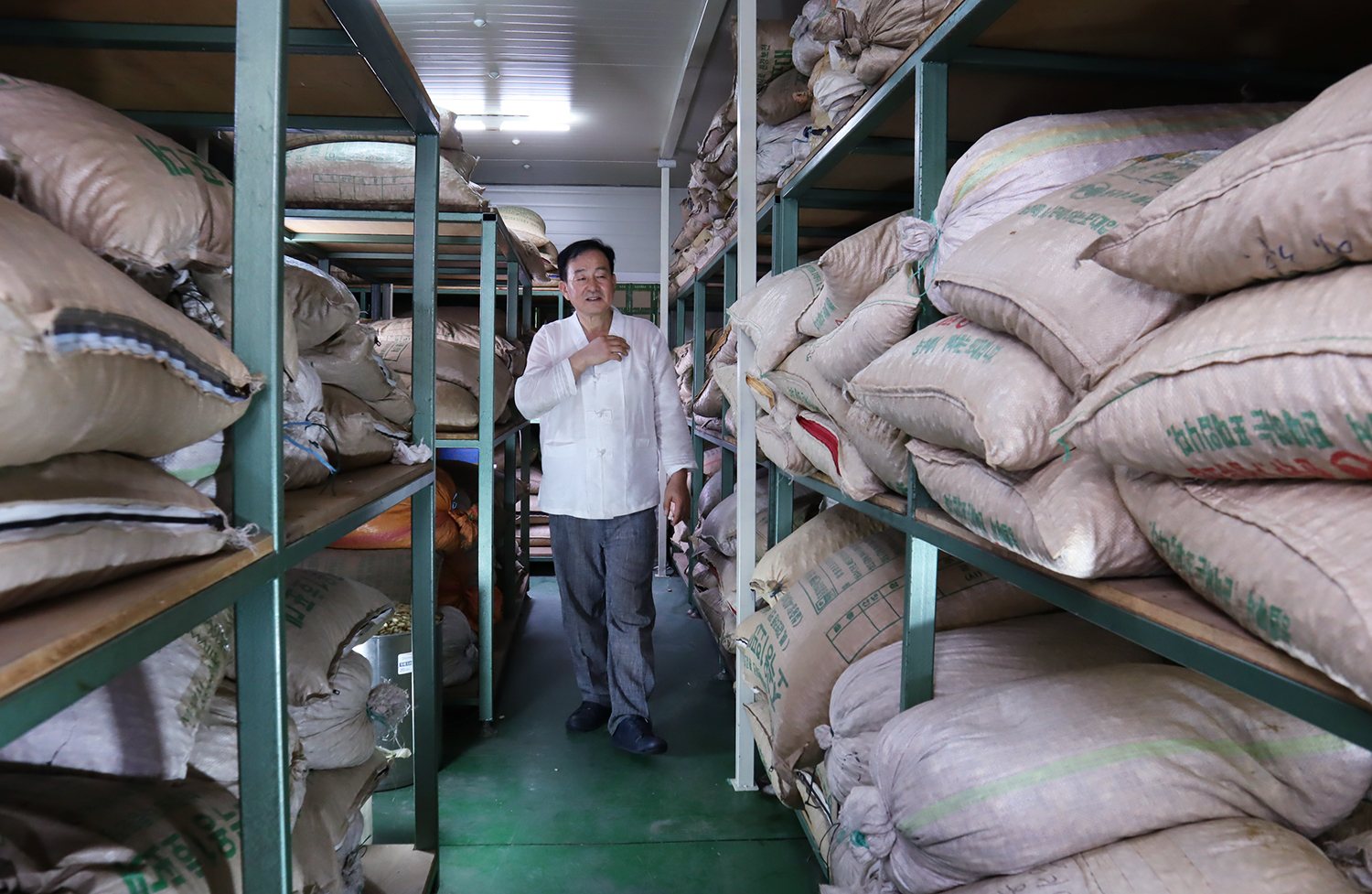
We ferment the ingredients we grow
We ferment the harvested ingredients into extracts and make our products at our own facility in Gimpo.
2009
A book by our founder
05Record
We put our research into writing
Our founder wrote about his years of research himself and published it as a book.
A family that still keeps an ancestor's cosmetic tools
Cosmetic tools once used by the family's ancestral grandmothers have been passed down as heirlooms. The founder, heir to the family's main line, grew up beside a grandfather well versed in herbs.
Forty Years
A grandfather who cared for the village
For 43 years my grandfather cared for neighbors with acupuncture, herbal decoctions, and moxibustion. Watching him work as a child set the direction my own research would take.
Questioning the import business
In 1993, while working at a cosmetics company, I started asking why we were simply reselling imported soap instead of developing our own formulas.
Coining a category that didn't exist
Adding traditional herbal extracts to soap meant inventing a category — what we called a “functional herbal soap” — that the Korean market didn't yet have a name for.
I became the test subject
In 1996, when a skin reaction across my body flared up again, I turned myself into the research subject and tested ingredients on my own skin, one at a time.
“Cleansing is the foundation of skin care.”
1,200 herbs down to 284
Working with the Korea Food Research Institute, we screened 1,200+ native herbs for antibacterial activity, narrowed that to 600, then to 284, running tests from 1998 to 2001.
A contract farm, and two typhoons
To secure a reliable raw-material supply, we started contract farming in 2002. Two typhoons hit in consecutive years. In 2004 we rebuilt the farm at over 66,000㎡.
Research with universities and a hospital
The research was built up through Kyung Hee University's College of Pharmacy, Seoul National University Hospital's Dermatology department (2006–2007, 40 subjects), and Chungbuk National University.
“I have always believed that ingredients from nature only reveal themselves when you take your time and study them for years.”
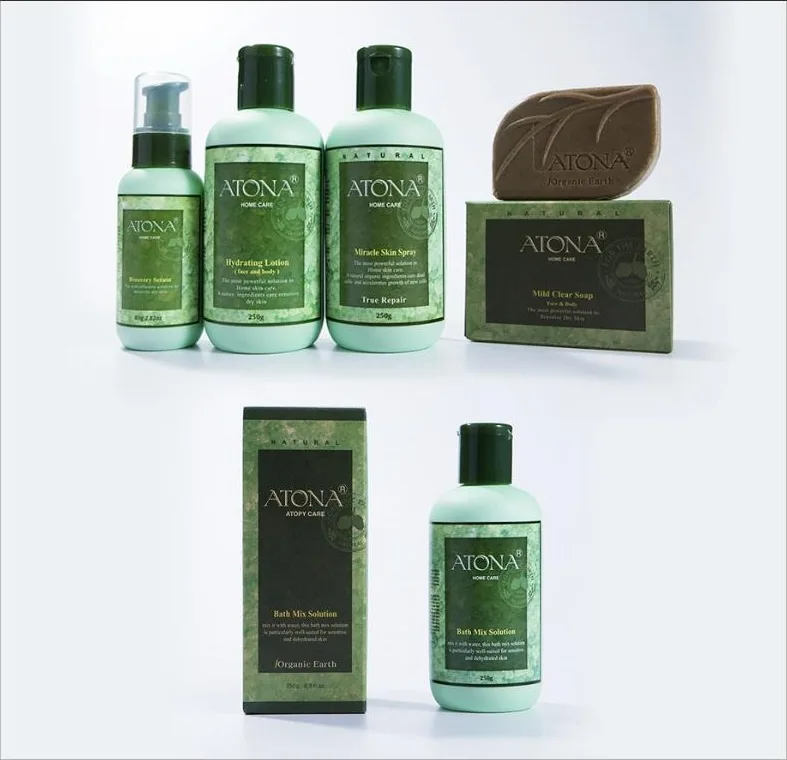
ATONA launches
In September 2005, that research was brought together in the launch of ATONA.
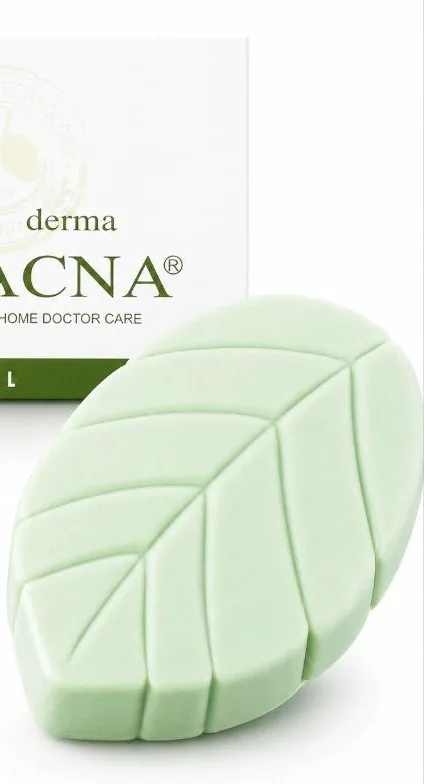
The same research becomes ACNA
In January 2008, the same ingredient research branched into ACNA, for oil and blemish-prone skin.
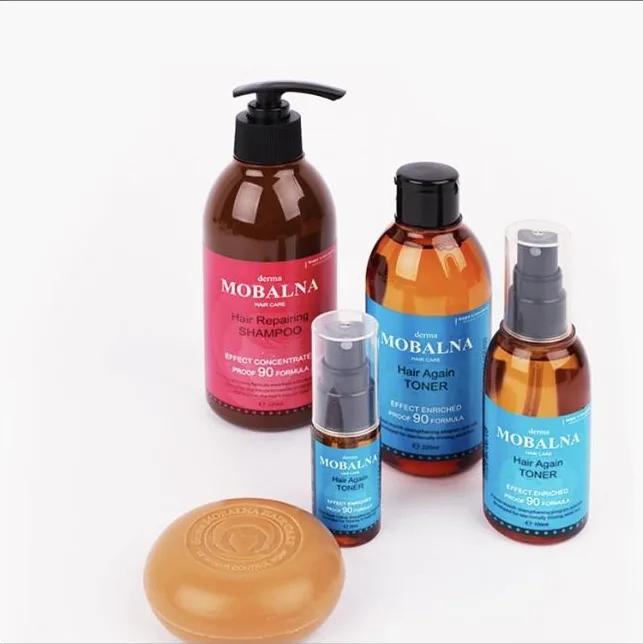
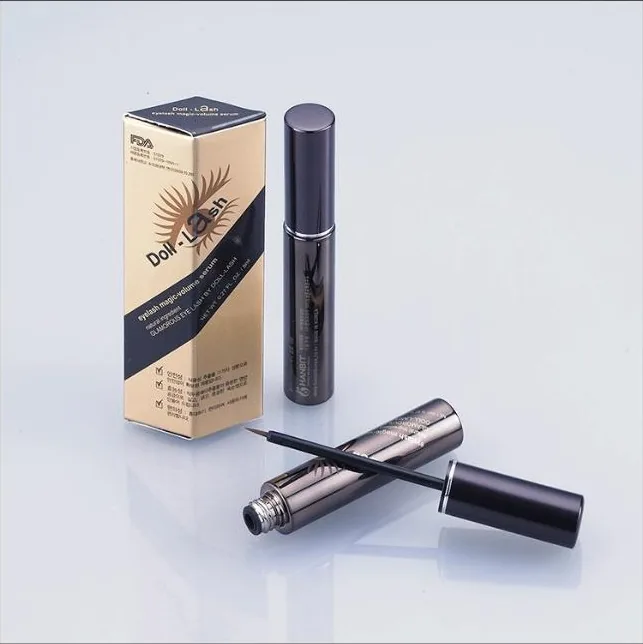
A scalp observation becomes MOBALNA and DOLL-LASH
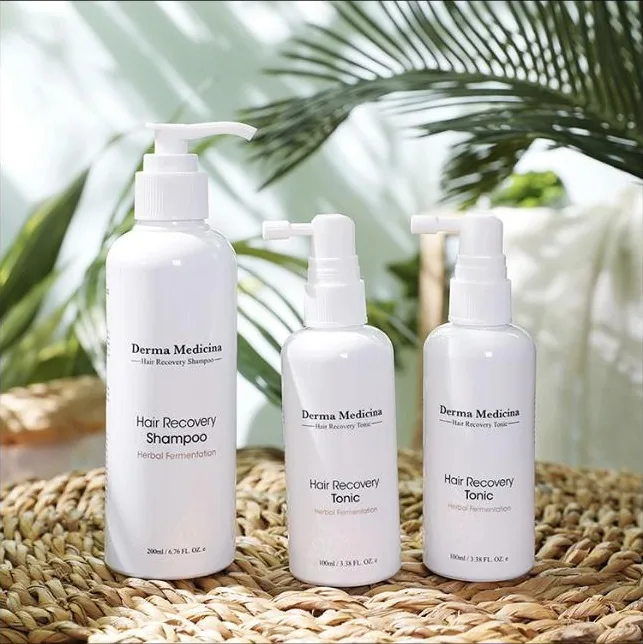
An observation about heat on the scalp led to MOBALNA in 2009, and from there to the DOLL-LASH lash-care line.
Warming research becomes VALERNA
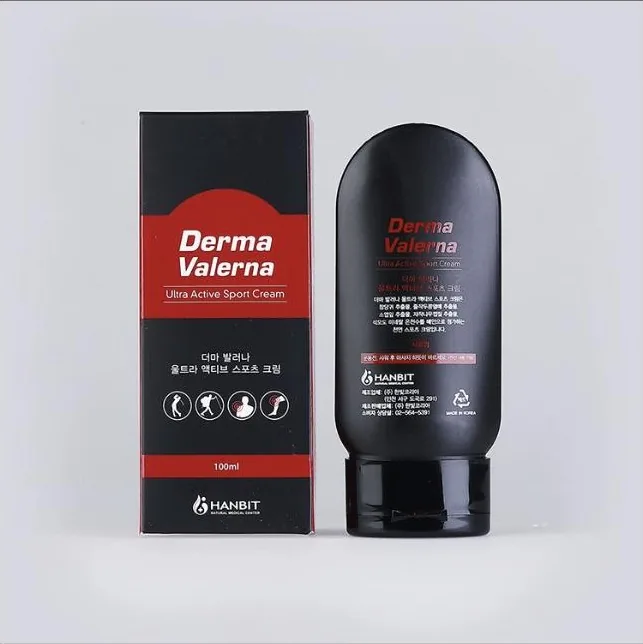
In 2018, years of research on warming sensation became the VALERNA sports cream.
It starts with cleansing: DAZIWAR · MEDICINA
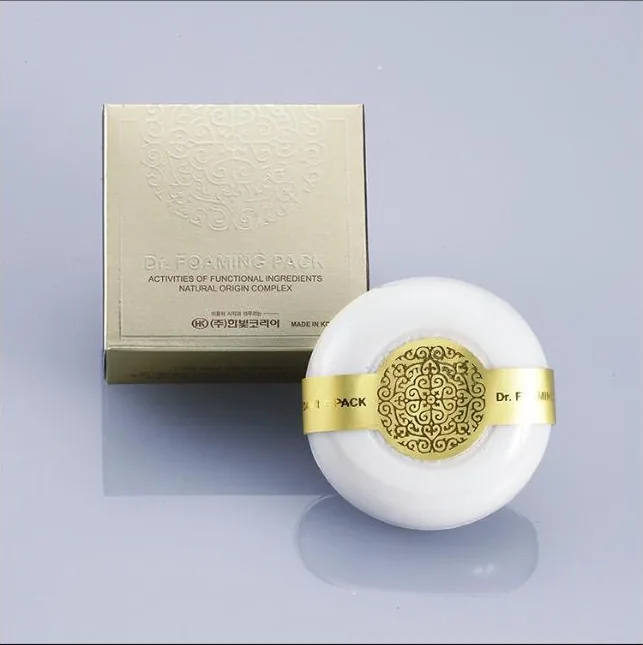
Believing that any skincare routine begins with a thorough wash, the founder turned back to soap research. That led to DAZIWAR soap, and then to MEDICINA, a single bar for washing the whole body.
Still the same lab, still the same question
The same research team is still at work today, asking the question that started it all.
Moments that shaped us
- Childhood
Years spent watching my grandfather care for the village became the starting point for a life spent looking for the right raw material.
- Turning point
Questioning why we only resold imported soap pushed the company toward developing its own formulas instead.
- Self-testing
When the reaction returned across my body, I didn't hide it — I tested ingredients on myself, one at a time.
- Narrowing down
1,200+ herbs to 600, then to 284. The shrinking number is itself the record of four years of testing.
- The farm
Two typhoons set it back, but the idea — grow the raw material ourselves — never changed. We rebuilt at 66,000㎡+ in 2004.
- Today
Five brands later, the question is still the same one: which ingredient, for which skin, and why.